




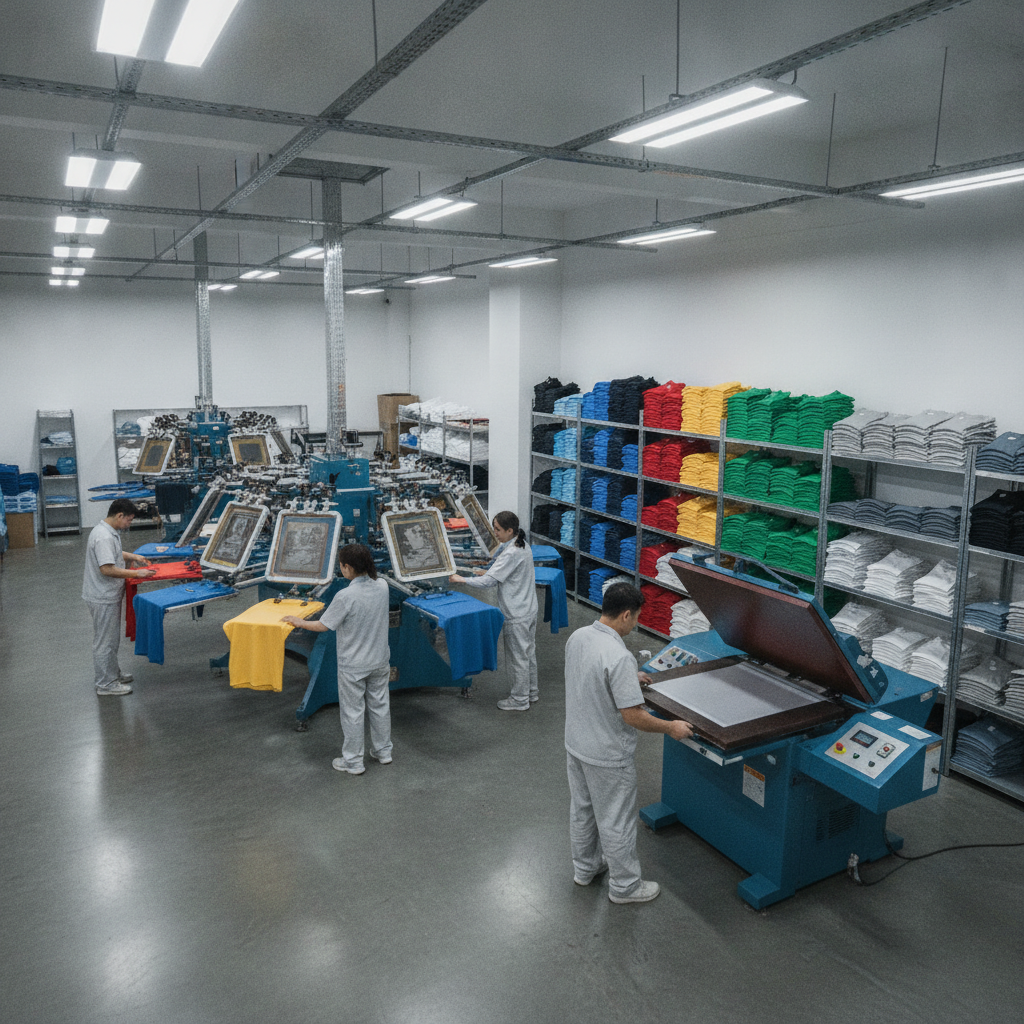
Bulk t-shirt printing pricing factors are the inputs that determine the true cost drivers of high-volume apparel orders. In New Delhi, the biggest levers are fabric, decoration method, color count, artwork prep, size mix, lead time, and quality controls. Choosing these well protects brand standards and reduces waste across the order lifecycle.
By Dev Kapair | Last updated: 2026-06-25

Above-Fold: Hook + Table of Contents
This guide shows New Delhi teams how to plan bulk t-shirt printing without surprises. Youll learn which pricing factors matter most, how each print method behaves at scale, and a proven step-by-step process. Use the checklists, table, and examples to lock quality, speed, and brand consistency.
Many B2B buyers feel pricing is a black box. It isnt. With a structured approach, you can specify the right components, avoid rework, and keep delivery dependableeven on tight timelines.
- What is bulk t-shirt pricing?
- Why pricing factors matter
- Bulk t-shirt printing pricing factors
- How the bulk order process works
- Screen vs DTF vs Sublimation vs Embroidery
- Best practices to reduce total cost of ownership
- Tools and planning resources
- Case studies and examples
- FAQ
- Conclusion and next steps
Quick Summary
Bulk pricing hinges on fabric choice, print/embroidery method, design complexity, placements, size curve, and timelines. Lock specs early, request test prints, and follow a structured approval flow. This reduces change orders and keeps quality predictable at scale.
Heres the short version most teams use to scope jobs fast:
- Fabric + fit: Choose weight, blend, and pattern (polo vs crew) for the use case.
- Decoration: Pick screen, DTF, sublimation, or embroidery to match art and durability.
- Art & colors: Confirm vector files, placements, and total ink/thread colors.
- Quantities & sizes: Finalize the size curve and buffer for extras.
- Timelines: Align lead time with sampling and approvals.
- QA & packaging: Define checks, folding, tagging, and carton labeling.
What Is Bulk T-Shirt Pricing?
Bulk t-shirt pricing refers to the structured set of specs and production choices that determine the per-unit and total investment for high-volume apparel runs. Its driven by garments, artwork, decoration method, placements, lead times, and quality controls.
In practice, pricing is a function of decisions you make up front. The more complete your brief, the more stable your outcome. At Kapair T-Shirt, we manage end-to-end: fabric selection, design proofing, production (screen, DTF, sublimation, embroidery), and logistics across Delhi NCR and pan-India.
Core elements youll define
- Garment: Fabric type, weight, silhouette (polo, crew, hoodie, jersey).
- Decoration: Screen, direct-to-film (DTF), dye sublimation, or embroidery.
- Artwork: Vector fidelity, colorway, and placements.
- Operations: Approvals, timelines, QA, and packing instructions.
These map to your business goals: durability for uniforms, color vibrancy for promotions, breathability for sports, or a premium hand-feel for leadership events.
Why Pricing Factors Matter to Corporate Programs
Choosing the right pricing factors prevents reprints, helps teams meet event dates, and preserves brand color accuracy. The right combination reduces waste across sampling, setup, and QC, while keeping employees and customers happy with consistent fits and finishes.
We see the same themes with New Delhi buyers: tight launches, fast-changing quantities, and firm color standards. By fixing the variables that matter mostart files, fabric, method, size curveyou reduce uncertainty and keep delivery on schedule.
Business outcomes your team will notice
- Brand integrity: Consistent color and placement across sizes and batches.
- Operational reliability: Clear checkpoints prevent last-minute shifts.
- Employee adoption: Comfortable fits and breathable fabrics raise wear rates.
- Event readiness: Predictable lead times align with venue logistics.
Looking for guidance on employee wear? Our corporate uniforms overview explains fabric durability, wash care, and finishing expectations for office teams.
Bulk T-Shirt Printing Pricing Factors
The main pricing drivers are garment (fabric, weight, and style), decoration method (screen, DTF, sublimation, embroidery), total colors and placements, artwork prep, size mix, timelines, and QA/packaging. Locking specs upfront removes hidden variables and keeps production smooth.
Use this breakdown to capture your brief thoroughly. Each choice influences production speed and long-term wearability.
1) Fabric and garment selection
- Fiber & weight: Combed cotton, cotton-rich blends, and performance poly behave differently for color absorption and hand-feel.
- Use case mapping: Polo shirts signal formality; crews favor casual giveaways; performance tees support athletics.
- Hand-feel vs longevity: Softer knits feel premium; tighter weaves often resist pilling better under frequent wash.
For shirt styles, see how polos compare to crews in our polo vs round neck guide; it covers breathability, drape, and brand perception in corporate settings.
2) Decoration method behavior
- Screen printing: Ideal for spot colors and large runs with repeatable results.
- DTF (Direct-to-Film): Great for detailed, full-color art on varied fabrics with strong durability when cured correctly.
- Sublimation: Best for all-over prints on light poly; not suited for dark cotton tees.
- Embroidery: Adds dimensional, premium branding on polos, jackets, and caps.
As noted in Shopifys t-shirt printing overview, each method has specific fabric and artwork sweet spots. Matching the method to your art and garment keeps prints crisp and durable.
3) Color counts and placements
- Total colorway: Spot color builds behave differently than full-color gradients.
- Placement mix: Front, back, sleeve, and label treatments each add handling steps.
- Special finishes: Metallics, puffs, or textured inks require extra controls.
Define placements on a flat mockup with measurements to center lines; this keeps production aligned across sizes.
4) Artwork prep and file integrity
- Vector-first workflow: Provide layered vector files (or high-res raster for photo prints).
- Color references: Use Pantone references and include underbase notes for dark garments.
- Bleed and traps: For screen work, define traps and halftones deliberately.
Clean files reduce rework. A properly preflighted art pack is the fastest route to sample approval.
5) Sizes and quantities
- Size curve: Lock a curve based on employee or attendee profiles; plan a small buffer for exchanges.
- Extended sizes: Larger cuts may need separate markers to stabilize fit.
- Reorder strategy: If you anticipate repeats, lock Pantone and thread codes now for consistency.
6) Timelines and approvals
- Sampling: Approve a physical or photographed strike-off before bulk.
- Critical path: Book decoration slots against event dates with room for QC.
- Change control: Freeze specs at sign-off to avoid cascading impacts.
7) QA, finishing, and packaging
- Quality checks: Define print adhesion, color tolerance, and size labeling checks.
- Finishing: Folding, individual polybagging, and tag attachment impact handling steps.
- Carton labeling: Clear labels by size range and destination simplify distribution.
Local considerations for New Delhi
- Plan production windows that avoid peak festival seasons when logistics can tighten across the city.
- For outdoor events in warmer months, prioritize breathable, lighter-weight fabrics and ventilated fits.
- When kitting for multiple New Delhi offices, request size-wise carton labeling to speed internal distribution.
How the Bulk Order Process Works
A reliable bulk workflow moves from discovery to sampling to production and dispatch. Each stage locks variables and prevents surprises. Clear checkpointsbrief, spec sheet, strike-off, QAcreate transparency for both client and manufacturer.
Here is the process we run for corporate and event programs across Delhi NCR and India:
- Discovery: Define use case, target wearers, event dates, and brand must-haves.
- Spec sheet: Confirm garment, fabric, colors, placements, and size curve.
- Artwork prep: Receive vector files, Pantone refs, and placement measurements.
- Sampling: Approve a strike-off (photo or in-hand) before bulk.
- Production: Book decoration lines, run controlled batches, and inline QA.
- Finishing: Fold, tag, bag, and label cartons per distribution plan.
- Dispatch: Ship with manifests that map sizes and destinations.
Each stage has artifacts you can reuse on the next order, accelerating future turnarounds with fewer touchpoints.
Screen vs DTF vs Sublimation vs Embroidery
Screen printing excels for solid colors and large runs; DTF handles full-color detail across fabrics; sublimation is for light poly with all-over possibilities; embroidery delivers a premium, dimensional look on polos, jackets, and caps.
Choosing the right approach starts with fabric and art. A quick comparison helps teams align expectations.
| Method | Best For | Color Handling | Fabric Fit | Notes |
|---|---|---|---|---|
| Screen Printing | Spot colors, bold graphics, large batches | Excellent for 1 solid tones; halftones with care | Cotton and blends | Repeatable and durable with correct cure |
| DTF | Detailed, full-color logos on varied fabrics | Photographic color with underbase control | Cotton, blends, some performance knits | Consistent on small and medium runs |
| Sublimation | All-over prints, gradients, and patterns | Unlimited CMYK on white/light bases | Polyester-rich fabrics only | Not suited to dark cotton tees |
| Embroidery | Premium logos on polos, jackets, caps | Thread-based solids; metallic threads optional | Polos, fleece, outerwear, caps | Dimensional look; backing stabilizes stitches |
For additional perspective on decoration choices and apparel, see Shopifys clothing guide. And for stitch-specific guidance, Shopifys embroidery overview outlines stabilization and thread behavior basics.
Best Practices to Reduce Total Cost of Ownership
Stabilize specs early, plan approvals, and right-size artwork to garments. Choose the decoration method that fits your art and fabric, and define QA and packing clearly. These steps eliminate rework and keep deliveries dependable.
Actionable tips our New Delhi clients use
- Pick-for-purpose garments: Crews for giveaways; polos for client-facing teams; performance tees for outdoor events.
- Consolidate placements: Reduce tiny secondary marks that add handling.
- Color discipline: Lock Pantone references and underbase rules for dark tees.
- Proof to scale: Approve art on a size M and L to validate legibility.
- Lock the curve: Confirm the size distribution and build a small buffer.
- Document QC: Define what ready means: adhesion, alignment, labeling, and fold.
Planning a corporate drop? Kapair T-Shirt supports end-to-end executionfrom fabric and sampling to print lines and dispatch across India. Share your brief and well advise on the most reliable method for your artwork and timeline.
Tools and Planning Resources
Standardize your spec sheet, color references, and file prep. A reusable toolkit speeds approvals and protects color, placement, and fit on every reorder. It also makes training new stakeholders easier.
- Spec sheet template: Garment, fabric, colorway, placements, size curve, and finishing details.
- Color library: Pantone references and notes for underbases on darks.
- File standards: Vector-first (AI, EPS, PDF); high-res PNG/TIFF for photos.
- Artwork checklist: Trapping rules, halftone angles, and bleed where relevant.
- QA checklist: Adhesion tests, placement tolerances, and wash-care notes.
For a short primer on matching decoration to apparel types, review Shopifys t-shirt overview; stitch-focused programs should also scan its embroidery guide for stabilizer and thread considerations.
Case Studies and Examples
Real programs show how smart specs improve outcomes. These mini-examples highlight method choices, artwork strategies, and packaging that simplified rollout across offices and events in New Delhi.
Corporate onboarding tees (New Delhi HQ)
- Objective: Comfortable tees that match brand Pantones for new hires.
- Approach: Combed cotton crews, screen prints for crisp spot colors.
- Outcome: Predictable color across sizes using Pantone-matched inks and underbase rules.
Sales team polos (client-facing)
- Objective: Premium look with subtle, durable branding.
- Approach: Pique polos with left-chest embroidery; stabilizer backing for clean stitches.
- Outcome: Elevated appearance and longevity through tight stitch density and QA checks.
Outdoor event tees (summer activation)
- Objective: Breathable performance tees with vibrant prints.
- Approach: Lightweight poly blends and DTF for full-color art.
- Outcome: Comfortable wear in heat with durable print adhesion after event wash cycles.
Unsure which garment works best for your program? Compare polos and crews in our style selection guide for a fast, practical decision.
Frequently Asked Questions
These quick answers address the most common questions New Delhi buyers ask when scoping bulk apparel. Each is concise and practical so your team can move forward with confidence.
Which print method should I choose for detailed, multi-color logos?
For detailed, full-color logos across varied fabrics, DTF is often the most reliable choice. If youre printing spot colors on cotton with high repeatability, screen printing is excellent. Embroidery suits small, solid logos on polos and jackets.
How can we keep brand colors consistent across sizes and reorders?
Lock Pantone references, underbase rules for dark garments, and thread codes for embroidery. Approve a strike-off before bulk, and keep the signed spec sheet on file to reuse for reorders.
What approvals do we need before starting production?
Youll confirm the spec sheet (garment, fabric, colors, placements, sizes), sign off on artwork and Pantone notes, and approve a sample or strike-off. This locks variables and prevents change orders mid-run.
Whats the difference between polos and round-neck tees for corporate wear?
Polos offer a more formal look and pair well with embroidery; crews are casual, comfortable, and great for events. Choose based on audience and brand tone; embroidery elevates polos, while screen/DTF pop on crews.
Conclusion & Next Steps
Bulk t-shirt printing pricing factors are controllable. When you align garment, method, artwork, and timelines, you stabilize outcomes and protect brand quality. Use the checklists and process here to brief faster and ship with confidence.
Key takeaways
- Match decoration to fabric and art for durability and clarity.
- Approve a strike-off before bulk to prevent rework.
- Define QA and finishing so cartons arrive distribution-ready.
- Document specs once; reuse on every reorder for consistent results.
Ready to plan a program? Book a friendly discovery session in New Delhiwell review your artwork, suggest the best method, and map a dependable production path.
Related Articles
If youre building a broader Corporate apparel program, our corporate uniforms guide covers durability and finishing, while polos vs tees helps stakeholders align on style and brand tone before artwork lands in production.

